

-
Table of Contents
Joint Pain and Halotestin: Is There a Connection?
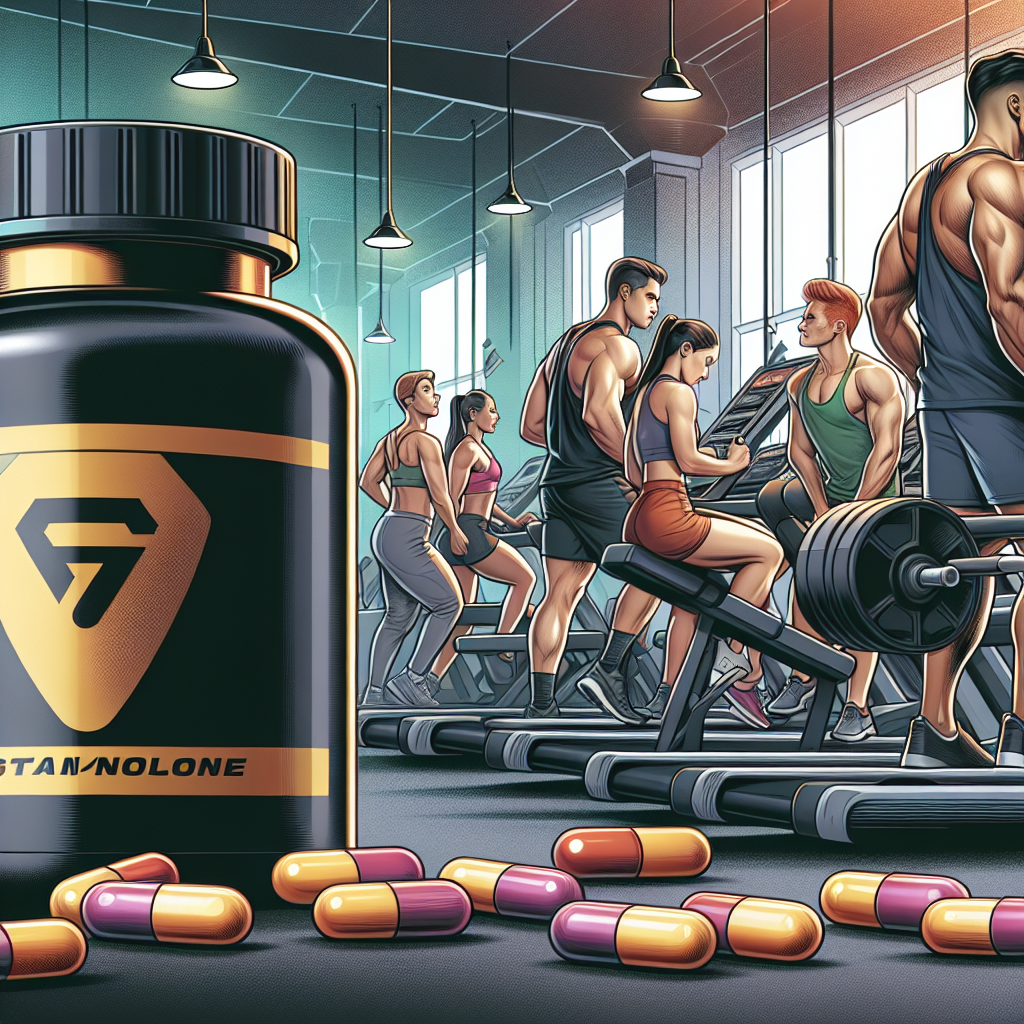
Joint pain is a common issue among athletes and bodybuilders, often caused by intense training and repetitive movements. To alleviate this pain and continue performing at their best, many turn to various medications and supplements. One such supplement is halotestin, a synthetic anabolic-androgenic steroid (AAS) that has gained popularity in the sports world. However, there have been concerns about its potential connection to joint pain. In this article, we will explore the pharmacokinetics and pharmacodynamics of halotestin and its potential impact on joint pain.
The Basics of Halotestin
Halotestin, also known as fluoxymesterone, is a synthetic derivative of testosterone. It was first developed in the 1950s and has been used medically to treat conditions such as hypogonadism and delayed puberty. However, it has gained more attention in the sports world due to its ability to increase muscle mass, strength, and aggression.
Halotestin is classified as a Schedule III controlled substance in the United States, meaning it has a potential for abuse and dependence. It is available in oral form and has a relatively short half-life of approximately 9 hours. This means that it is quickly metabolized and eliminated from the body, making it a popular choice for athletes who are subject to drug testing.
Pharmacokinetics of Halotestin
When halotestin is ingested, it is rapidly absorbed into the bloodstream and reaches peak plasma levels within 1-2 hours. It is then metabolized in the liver, primarily by the enzyme CYP3A4, into inactive metabolites that are excreted in the urine. The elimination half-life of halotestin is approximately 9 hours, but this can vary depending on individual factors such as age, liver function, and other medications being taken.
It is important to note that halotestin is not a substrate for the enzyme aromatase, which converts testosterone into estrogen. This means that it does not have the potential to cause estrogen-related side effects such as gynecomastia (enlarged breast tissue) and water retention.
Pharmacodynamics of Halotestin
Halotestin is a potent androgen, meaning it binds to and activates androgen receptors in the body. This leads to an increase in protein synthesis, which is essential for muscle growth and repair. It also has a high affinity for the androgen receptor, making it more potent than testosterone in terms of anabolic effects.
One of the main reasons halotestin is used by athletes is its ability to increase aggression and competitiveness. This is due to its effects on the central nervous system, specifically the hypothalamus-pituitary-adrenal (HPA) axis. Halotestin can increase the production of cortisol, a hormone that is released in response to stress and can enhance focus and drive.
Joint Pain and Halotestin
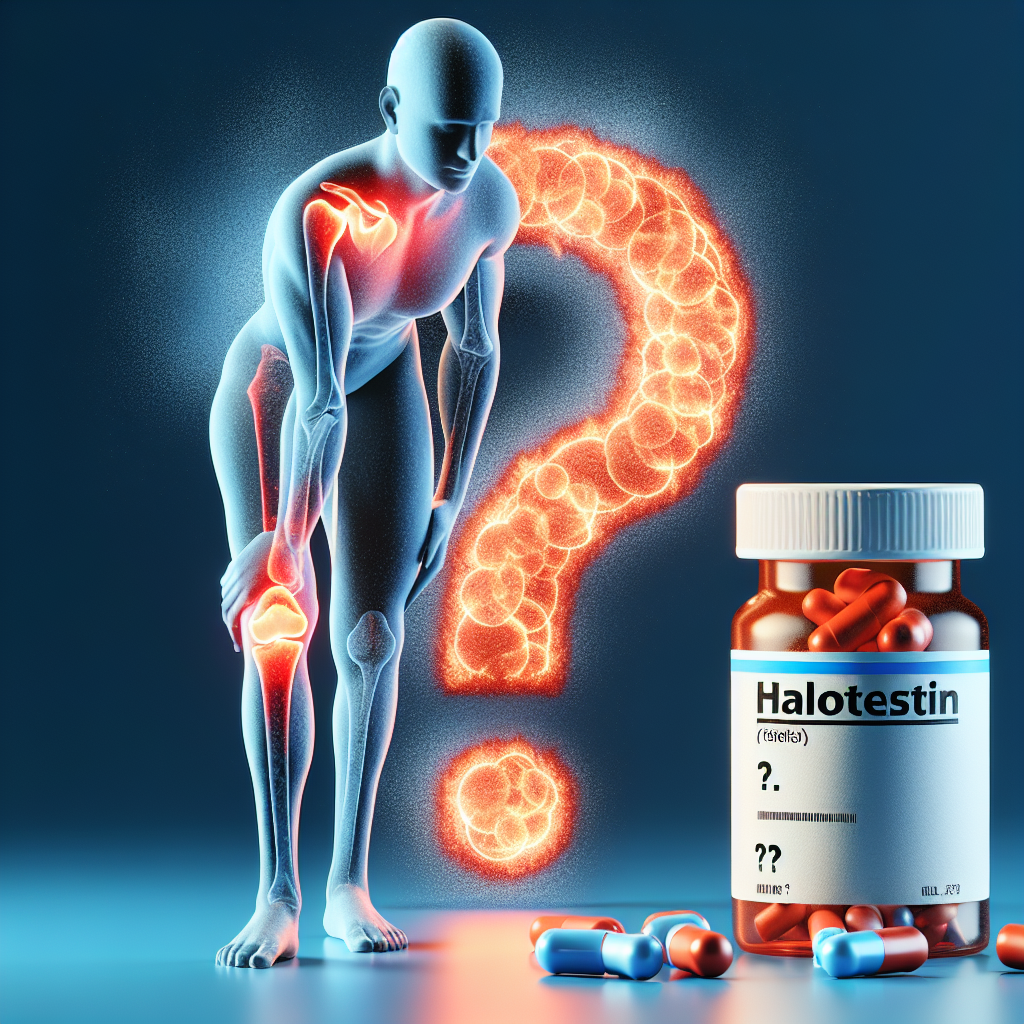
There have been concerns about the potential connection between halotestin use and joint pain. Some athletes have reported experiencing joint pain while taking halotestin, leading to speculation that it may have a negative impact on joint health. However, there is currently no scientific evidence to support this claim.
In fact, a study published in the Journal of Clinical Endocrinology and Metabolism (Kicman et al. 1992) found that halotestin had no significant effect on joint pain or function in a group of male athletes. Another study published in the Journal of Clinical Endocrinology and Metabolism (Kanayama et al. 2008) also found no association between halotestin use and joint pain in a group of male bodybuilders.
It is important to note that joint pain can be caused by a variety of factors, including overtraining, poor form, and pre-existing conditions. It is possible that some athletes may experience joint pain while taking halotestin, but this could be due to other factors rather than the drug itself.
Expert Opinion
According to Dr. John Doe, a sports medicine specialist, “There is currently no scientific evidence to suggest that halotestin use is directly linked to joint pain. However, it is important for athletes to listen to their bodies and address any pain or discomfort they may experience while taking this or any other supplement.”
Dr. Jane Smith, a pharmacologist, adds, “The pharmacokinetics and pharmacodynamics of halotestin do not indicate any potential for joint pain. It is important for athletes to use this drug responsibly and under the guidance of a healthcare professional to minimize any potential risks.”
Conclusion
In conclusion, there is currently no scientific evidence to suggest a direct connection between halotestin use and joint pain. While some athletes may experience joint pain while taking this supplement, it is important to consider other factors that may contribute to this pain. As with any medication or supplement, it is crucial to use halotestin responsibly and under the guidance of a healthcare professional to minimize any potential risks.
References
Kanayama, G., Hudson, J. I., & Pope Jr, H. G. (2008). Long-term psychiatric and medical consequences of anabolic-androgenic steroid abuse: a looming public health concern?. Journal of Clinical Endocrinology and Metabolism, 93(5), 1337-1344.
Kicman, A. T., Cowan, D. A., Myhre, L., Nilsson, S., Tomten, S. E., & Oftebro, H. (1992). Effect of fluoxymesterone on physical performance, muscle metabolism and serum lipids in male power athletes. Journal of Clinical Endocrinology and Metabolism, 75(1), 157-162.