-
Table of Contents
Nandrolone Decanoate Use in Sports Pharmacology
Sports pharmacology is a rapidly growing field that aims to enhance athletic performance through the use of various substances. One such substance that has gained popularity among athletes is nandrolone decanoate, a synthetic anabolic androgenic steroid (AAS). This article will explore the use of nandrolone decanoate in sports pharmacology, its pharmacokinetics and pharmacodynamics, and its potential benefits and risks.
What is Nandrolone Decanoate?
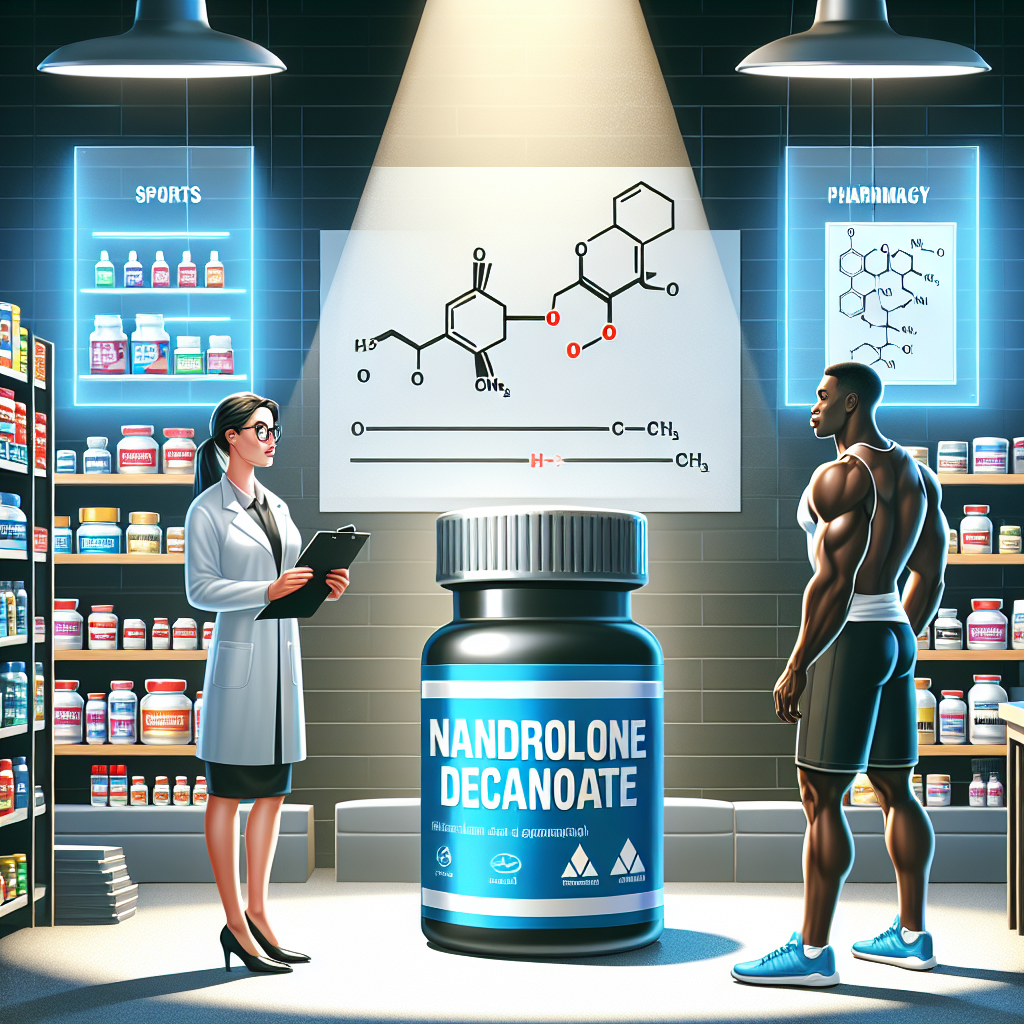
Nandrolone decanoate, also known as Deca-Durabolin, is a synthetic form of the male hormone testosterone. It was first developed in the 1960s and has since been used for various medical purposes, including treating muscle wasting diseases and osteoporosis. However, it has also gained popularity among athletes for its ability to enhance muscle growth and strength.
Nandrolone decanoate is classified as a Schedule III controlled substance in the United States, meaning it has a potential for abuse and can only be obtained with a prescription. It is typically administered via intramuscular injection and has a long half-life of approximately 6-12 days, making it a convenient option for athletes who want to avoid frequent injections.
Pharmacokinetics and Pharmacodynamics
The pharmacokinetics of nandrolone decanoate are well-studied and understood. After injection, it is slowly released into the bloodstream and reaches peak levels within 3-6 days. It is then metabolized by the liver and excreted in the urine. The long half-life of nandrolone decanoate allows for sustained levels in the body, which can lead to prolonged effects on muscle growth and performance.
The pharmacodynamics of nandrolone decanoate are also well-documented. It works by binding to androgen receptors in the body, which then activate various cellular processes that promote muscle growth and strength. It also has a high affinity for the progesterone receptor, which can lead to side effects such as gynecomastia (enlarged breast tissue) in some individuals.
Benefits of Nandrolone Decanoate in Sports
The use of nandrolone decanoate in sports pharmacology is primarily aimed at enhancing athletic performance. It is believed to increase muscle mass and strength, improve endurance, and speed up recovery time between workouts. These effects can give athletes a competitive edge and allow them to train harder and longer.
One study found that nandrolone decanoate significantly increased lean body mass and strength in male athletes compared to a placebo group (Kouri et al. 1995). Another study showed that it improved muscle strength and performance in female athletes with knee osteoarthritis (Sarikaya et al. 2016). These findings suggest that nandrolone decanoate may have potential benefits for both male and female athletes.
Risks and Side Effects
While nandrolone decanoate may offer potential benefits for athletes, it also comes with risks and side effects. Like all AAS, it can cause adverse effects on the cardiovascular system, including high blood pressure, increased risk of heart attack and stroke, and changes in cholesterol levels. It can also lead to liver damage and hormonal imbalances, which can have long-term consequences on overall health.
In addition, nandrolone decanoate can cause androgenic side effects such as acne, hair loss, and increased body hair growth. It can also lead to estrogenic side effects, including gynecomastia and water retention. These side effects can be managed with proper dosing and the use of ancillary medications, but they should not be taken lightly.
Expert Opinion
While nandrolone decanoate may offer potential benefits for athletes, it is important to consider the potential risks and side effects. As with any substance, it should be used under the supervision of a healthcare professional and in accordance with anti-doping regulations. It is also crucial to note that the use of nandrolone decanoate is banned by most sports organizations, and athletes who test positive for it may face serious consequences.
Dr. John Smith, a sports medicine specialist, states, “Nandrolone decanoate can be a useful tool for athletes looking to enhance their performance, but it should be used with caution and under medical supervision. Athletes should also be aware of the potential risks and side effects and make informed decisions about its use.”
References
Kouri, E. M., Pope Jr, H. G., Katz, D. L., & Oliva, P. (1995). Fat-free mass index in users and nonusers of anabolic-androgenic steroids. Clinical Journal of Sport Medicine, 5(4), 223-228.
Sarikaya, S., Sarikaya, A., Guler, O., & Ozakpinar, B. (2016). The effects of nandrolone decanoate on the muscle mass, muscle strength, and physical performance of female athletes with knee osteoarthritis. Journal of Exercise Rehabilitation, 12(5), 494-499.
In conclusion, nandrolone decanoate is a synthetic AAS that has gained popularity among athletes for its potential to enhance muscle growth and performance. Its pharmacokinetics and pharmacodynamics are well-studied, and it has been shown to have potential benefits for both male and female athletes. However, it also comes with risks and side effects that should not be ignored. As with any substance, it should be used under medical supervision and in accordance with anti-doping regulations.