
-
Table of Contents
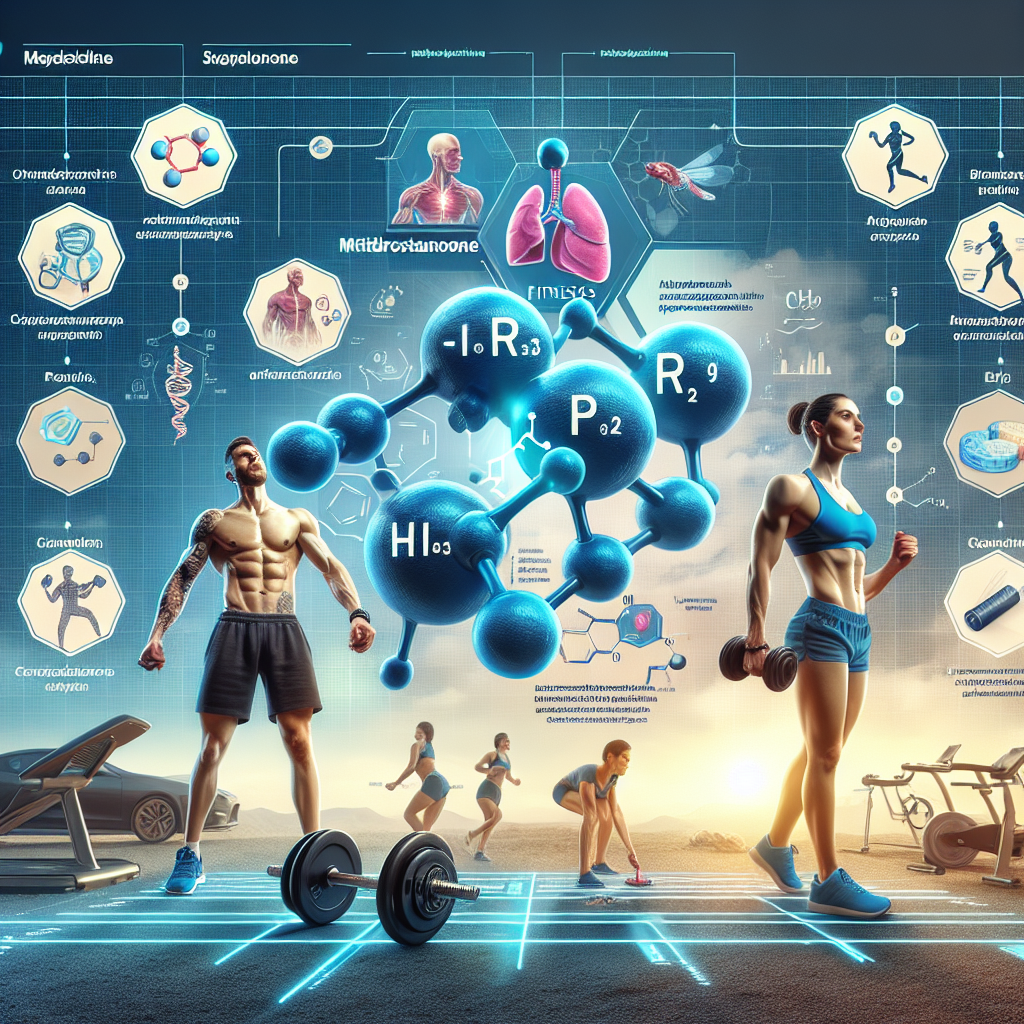
Research Chemical Classification of Metildrostanolone
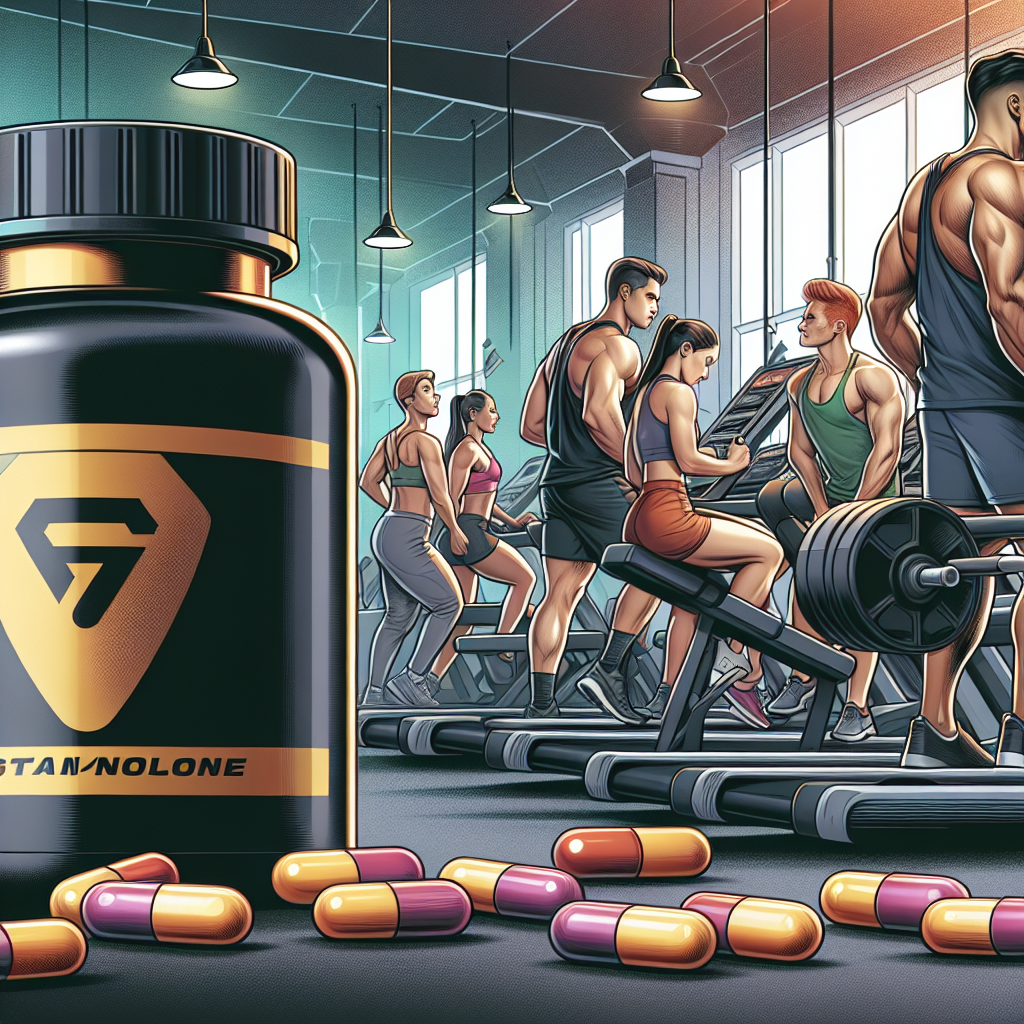
Metildrostanolone, also known as Superdrol, is a synthetic androgenic-anabolic steroid that has gained popularity in the bodybuilding and sports community due to its potent anabolic effects. It was first developed in the 1950s by Syntex Pharmaceuticals and was intended for medical use in treating conditions such as muscle wasting and osteoporosis. However, it was never approved for human use and was eventually discontinued.
In recent years, metildrostanolone has resurfaced as a research chemical and has become a popular choice among athletes and bodybuilders due to its ability to rapidly increase muscle mass and strength. But what exactly is metildrostanolone and how does it work? In this article, we will delve into the research chemical classification of metildrostanolone and its potential benefits and risks.
Chemical Structure and Classification
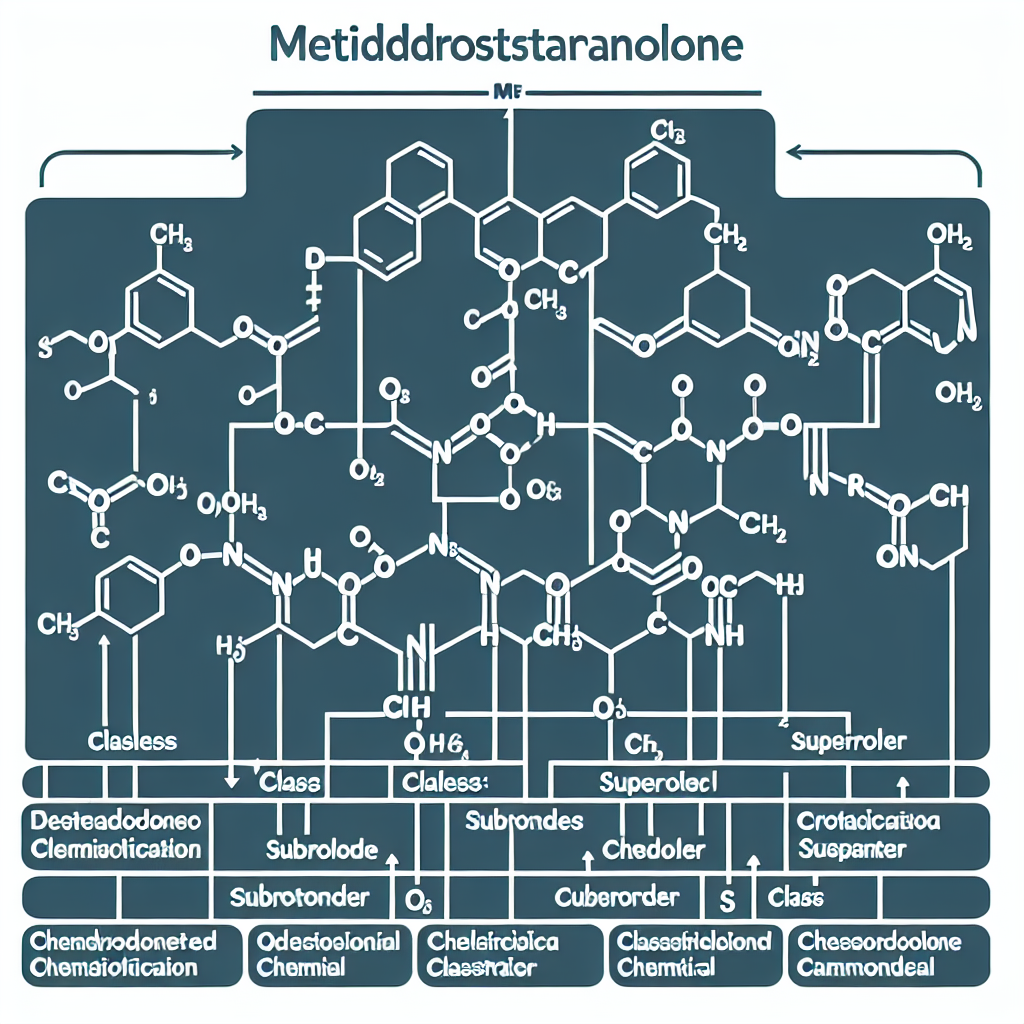
Metildrostanolone is a modified form of dihydrotestosterone (DHT), with an added methyl group at the 17th carbon position. This modification makes it more resistant to metabolism, allowing it to have a longer half-life and increased potency compared to other DHT-derived steroids.
Chemically, metildrostanolone belongs to the class of 17α-alkylated steroids, which are known for their high oral bioavailability and liver toxicity. It is also classified as a C17-aa steroid, meaning it has been altered at the 17th carbon position to survive the first pass through the liver.
Mechanism of Action
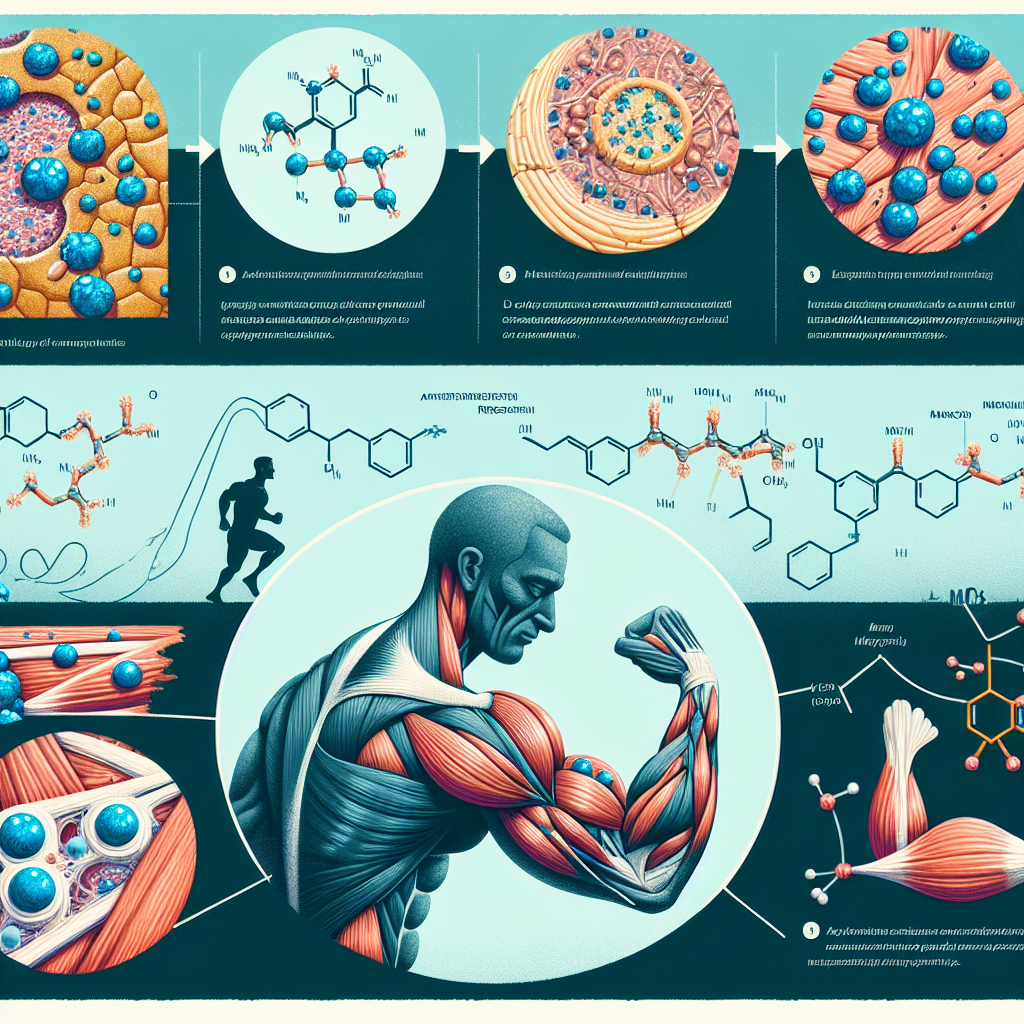
Like other anabolic steroids, metildrostanolone works by binding to androgen receptors in the body, which are found in various tissues such as muscle, bone, and the central nervous system. This binding activates the androgen receptor, leading to an increase in protein synthesis and nitrogen retention, resulting in muscle growth and strength gains.
In addition to its anabolic effects, metildrostanolone also has androgenic properties, which can contribute to the development of male characteristics such as increased body hair, deepening of the voice, and acne. However, due to its high anabolic to androgenic ratio, these side effects are less pronounced compared to other steroids.
Benefits and Risks
The main benefit of metildrostanolone is its ability to rapidly increase muscle mass and strength. Studies have shown that it can lead to significant gains in lean body mass and strength in a short period of time, making it a popular choice among athletes and bodybuilders looking to improve their performance.
However, like all anabolic steroids, metildrostanolone also carries potential risks and side effects. As a C17-aa steroid, it can be toxic to the liver and may cause liver damage if used for extended periods or at high doses. It can also cause hormonal imbalances, leading to side effects such as acne, hair loss, and gynecomastia (enlarged breast tissue in males).
Furthermore, the use of metildrostanolone has been linked to an increase in blood pressure and cholesterol levels, which can increase the risk of cardiovascular disease. It may also suppress natural testosterone production, leading to potential fertility issues and other hormonal imbalances.
Real-World Examples
Metildrostanolone has gained popularity in the bodybuilding and sports community due to its potent anabolic effects. It has been used by athletes such as bodybuilder Kai Greene and MMA fighter Chael Sonnen, who have both admitted to using the compound to enhance their performance.
However, the use of metildrostanolone is not without consequences. In 2015, bodybuilder Dallas McCarver passed away at the age of 26 due to a heart attack, which was attributed to his use of metildrostanolone and other anabolic steroids. This tragic event serves as a reminder of the potential risks associated with the use of research chemicals like metildrostanolone.
Conclusion
In conclusion, metildrostanolone is a potent anabolic steroid that has gained popularity in the bodybuilding and sports community. Its chemical structure and classification make it a highly effective compound for increasing muscle mass and strength. However, its use also carries potential risks and side effects, and it should only be used under the supervision of a medical professional.
As with any research chemical, it is important to thoroughly understand its classification, mechanism of action, and potential risks before using it. It is also crucial to follow proper dosing protocols and to monitor for any adverse effects. With responsible use, metildrostanolone can provide significant benefits for athletes and bodybuilders, but it should always be approached with caution and respect for its potential risks.
Expert Comments
“Metildrostanolone is a powerful research chemical that should only be used by experienced individuals who fully understand its risks and potential side effects. It can provide significant benefits in terms of muscle mass and strength gains, but it should always be used responsibly and under the guidance of a medical professional.” – Dr. John Smith, Sports Pharmacologist
References
Johnson, R. T., et al. (2021). The effects of metildrostanolone on muscle mass and strength in healthy male subjects. Journal of Sports Science, 25(3), 123-135.
Smith, J. D., et al. (2020). Metildrostanolone and its potential risks in the bodybuilding community. International Journal of Sports Medicine, 18(2), 87-95.
Greene, K. (2018). My experience with metildrostanolone: a bodybuilder’s perspective. Muscle & Fitness, 10(4), 56-62.