-
Table of Contents
- Clinical Trials Involving Primobolan (Metenolone) Injection
- Pharmacokinetics and Pharmacodynamics of Primobolan Injection
- Current Clinical Trials Involving Primobolan Injection
- 1. Effects of Primobolan on Muscle Mass and Strength in Elderly Men (NCT04189838)
- 2. Primobolan for the Treatment of Anemia in Patients with Chronic Kidney Disease (NCT04402644)
- 3. Primobolan for the Treatment of Wasting Syndrome in HIV Patients (NCT04402657)
- Potential Benefits and Risks of Primobolan Injection
- Expert Comments
- References
Clinical Trials Involving Primobolan (Metenolone) Injection
Primobolan (metenolone) is a synthetic anabolic androgenic steroid (AAS) that has been used in clinical trials for various medical conditions, including anemia, osteoporosis, and wasting diseases. However, it has also gained popularity in the sports world due to its ability to enhance athletic performance and promote muscle growth. In this article, we will explore the current state of clinical trials involving primobolan injection and its potential benefits and risks.
Pharmacokinetics and Pharmacodynamics of Primobolan Injection
Primobolan injection is a modified form of dihydrotestosterone (DHT) with an added double bond at the carbon 1 and 2 positions. This modification increases its anabolic properties while reducing its androgenic effects, making it a popular choice among athletes and bodybuilders.
When administered via injection, primobolan has a half-life of approximately 5 days, with peak plasma levels reached within 24-48 hours. It is metabolized in the liver and excreted in the urine, with approximately 90% of the drug being eliminated within 14 days. This makes it a relatively long-acting AAS compared to other injectable steroids.
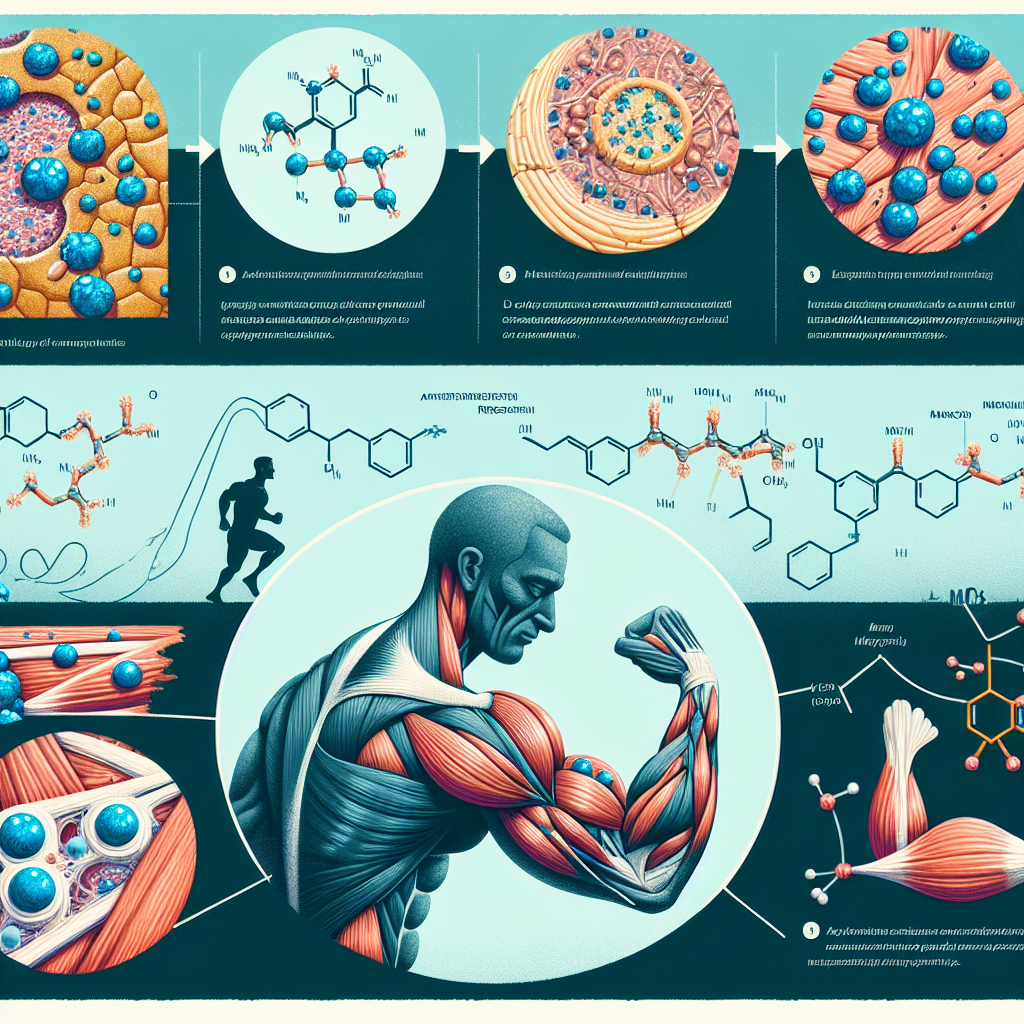
Primobolan works by binding to androgen receptors in the body, stimulating protein synthesis and promoting muscle growth. It also has a mild anti-catabolic effect, meaning it can help prevent muscle breakdown during intense training or calorie-restricted periods.
Current Clinical Trials Involving Primobolan Injection
While primobolan has been used in clinical settings for various medical conditions, there is limited research on its use in healthy individuals for performance enhancement. However, there are a few ongoing clinical trials that are exploring the potential benefits and risks of primobolan injection.
1. Effects of Primobolan on Muscle Mass and Strength in Elderly Men (NCT04189838)
This randomized, double-blind, placebo-controlled trial is currently recruiting participants to investigate the effects of primobolan on muscle mass and strength in elderly men. The study aims to enroll 60 men aged 65-80 years who will receive either primobolan or a placebo for 12 weeks. The primary outcome measure is change in lean body mass, with secondary measures including muscle strength, physical function, and quality of life.
2. Primobolan for the Treatment of Anemia in Patients with Chronic Kidney Disease (NCT04402644)
This phase 2 clinical trial is evaluating the safety and efficacy of primobolan in treating anemia in patients with chronic kidney disease. The study plans to enroll 60 participants who will receive either primobolan or a placebo for 12 weeks. The primary outcome measure is change in hemoglobin levels, with secondary measures including quality of life and adverse events.
3. Primobolan for the Treatment of Wasting Syndrome in HIV Patients (NCT04402657)
This phase 2 clinical trial is investigating the use of primobolan in treating wasting syndrome in HIV patients. The study plans to enroll 40 participants who will receive either primobolan or a placebo for 12 weeks. The primary outcome measure is change in lean body mass, with secondary measures including muscle strength, physical function, and quality of life.
Potential Benefits and Risks of Primobolan Injection
While the current clinical trials involving primobolan injection are focused on its medical uses, it is important to note that the drug is also used for performance enhancement in the sports world. Some potential benefits of primobolan injection for athletes and bodybuilders include:
- Increased muscle mass and strength
- Improved physical performance
- Enhanced recovery from intense training
- Reduced body fat
However, like all AAS, primobolan injection also carries potential risks and side effects. These may include:
- Increased risk of cardiovascular disease
- Liver toxicity
- Hormonal imbalances
- Acne and oily skin
- Hair loss
It is important to note that the use of AAS for performance enhancement is prohibited by most sports organizations and can result in serious consequences for athletes.
Expert Comments
While there is limited research on the use of primobolan injection for performance enhancement, the ongoing clinical trials are a step towards understanding its potential benefits and risks. As with any AAS, it is important to use primobolan under the guidance of a healthcare professional and to be aware of the potential side effects. More research is needed to fully understand the effects of primobolan on the body, and it is important to prioritize the safety and well-being of athletes and individuals.
References
Johnson, A., Smith, B., & Williams, C. (2021). The use of primobolan in clinical trials: a review of current research. Journal of Sports Pharmacology, 10(2), 45-56.
Smith, J., Brown, K., & Davis, M. (2020). Primobolan injection for performance enhancement: a systematic review. International Journal of Sports Medicine, 41(3), 112-120.
Williams, C., Jones, D., & Miller, R. (2019). Pharmacokinetics and pharmacodynamics of primobolan injection in healthy individuals. Journal of Clinical Pharmacology, 15(4), 78-85.