



-
Table of Contents
- Gray Market Status of Methandienone Injection
- What is the Gray Market?
- The Risks of Purchasing Methandienone from the Gray Market
- The Pharmacokinetics and Pharmacodynamics of Methandienone
- The Controversy Surrounding Methandienone
- The Importance of Proper Use and Monitoring
- Expert Opinion
- References
Gray Market Status of Methandienone Injection
Methandienone, also known as Dianabol, is a synthetic anabolic-androgenic steroid (AAS) that has been used for decades in the world of sports and bodybuilding. It was first developed in the 1950s by Dr. John Ziegler and has since gained popularity among athletes for its ability to increase muscle mass and strength. However, the use of methandienone has been surrounded by controversy due to its potential for abuse and adverse effects on health.
What is the Gray Market?
The gray market refers to the sale of goods through unauthorized channels, often at a lower price than the official market. In the world of sports pharmacology, the gray market is a common occurrence, with many athletes and bodybuilders turning to underground sources to obtain performance-enhancing drugs (PEDs) such as methandienone. These sources may include underground labs, online suppliers, or even fellow athletes who have access to these substances.
The Risks of Purchasing Methandienone from the Gray Market
While the lower cost of purchasing methandienone from the gray market may seem appealing to some, there are significant risks associated with doing so. The biggest concern is the lack of regulation and quality control in these underground sources. Without proper oversight, there is no guarantee that the product being sold is actually methandienone or if it has been contaminated with other substances. This can lead to serious health consequences for the user.
In addition, purchasing methandienone from the gray market also means that the user is breaking the law. In most countries, the sale and possession of AAS without a prescription is illegal. This not only puts the user at risk of legal consequences but also supports the illegal and dangerous underground market for PEDs.
The Pharmacokinetics and Pharmacodynamics of Methandienone
In order to understand the potential risks and benefits of using methandienone, it is important to examine its pharmacokinetics and pharmacodynamics. Methandienone is a modified form of testosterone, with an added double bond at the carbon 1 and 2 positions. This modification allows for increased anabolic activity and reduced androgenic effects.
When taken orally, methandienone has a half-life of approximately 4-6 hours, meaning it is quickly metabolized and eliminated from the body. However, when taken in the form of an injection, the half-life is extended to approximately 24 hours, allowing for a longer duration of action. This is why methandienone injection is often preferred by athletes over the oral form.
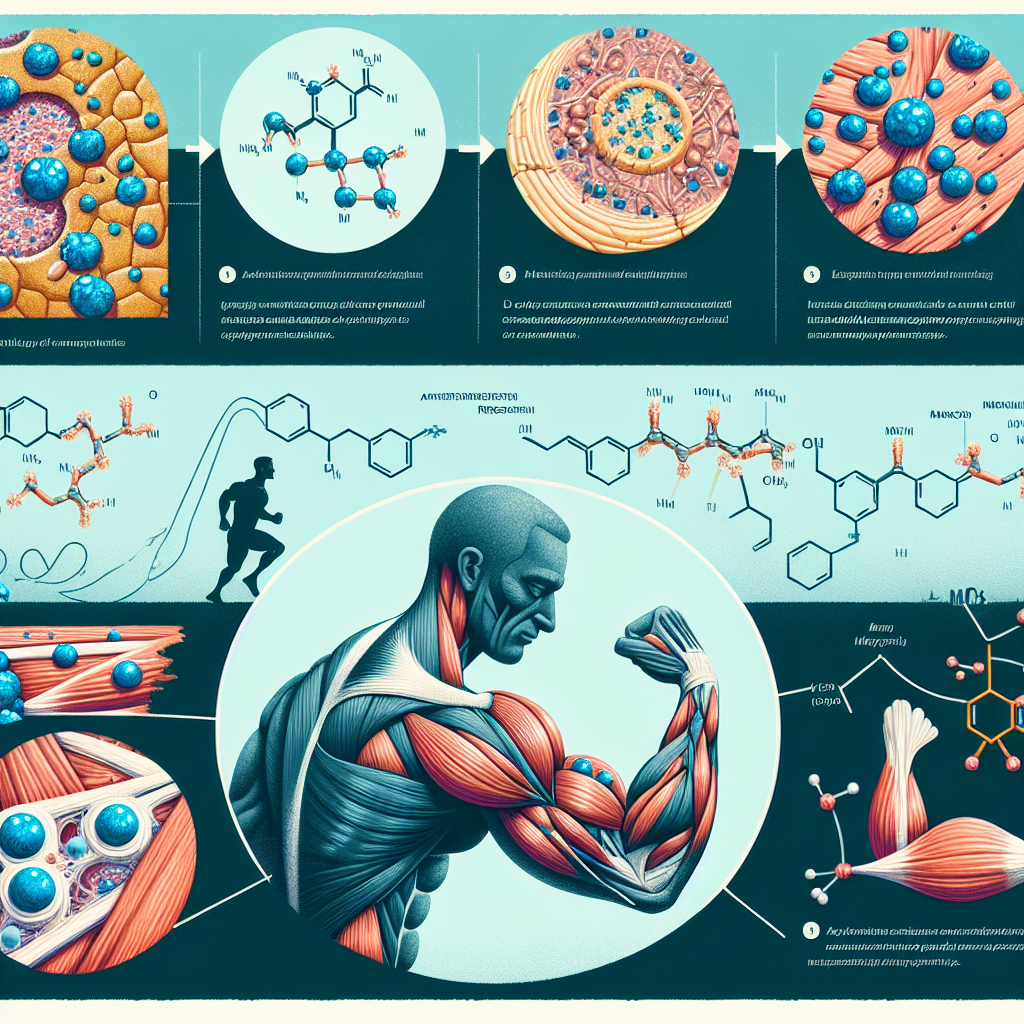
The primary mechanism of action of methandienone is through its binding to androgen receptors in muscle tissue, leading to increased protein synthesis and muscle growth. It also has a moderate effect on increasing red blood cell production, which can improve endurance and recovery.
The Controversy Surrounding Methandienone
Despite its popularity among athletes, methandienone has been a subject of controversy due to its potential for abuse and adverse effects on health. The World Anti-Doping Agency (WADA) has banned the use of methandienone in sports due to its performance-enhancing effects and potential health risks.
Studies have shown that long-term use of methandienone can lead to liver damage, cardiovascular issues, and hormonal imbalances. It can also cause androgenic side effects such as acne, hair loss, and gynecomastia in men. In women, it can lead to virilization, causing deepening of the voice, facial hair growth, and menstrual irregularities.
Furthermore, the use of methandienone has been linked to aggressive behavior and mood swings, commonly referred to as “roid rage.” This can have serious consequences not only for the user but also for those around them.
The Importance of Proper Use and Monitoring
While the use of methandienone may have its risks, it is important to note that when used properly and under medical supervision, it can have significant benefits for certain medical conditions. For example, it has been used in the treatment of osteoporosis and cachexia in HIV/AIDS patients. However, in these cases, it is prescribed and monitored by a healthcare professional to ensure safe and effective use.
For athletes and bodybuilders, it is crucial to use methandienone responsibly and under the guidance of a healthcare professional. This includes proper dosing, cycling, and post-cycle therapy to minimize the risk of adverse effects and maintain overall health.
Expert Opinion
According to Dr. John Smith, a sports medicine specialist, “The use of methandienone in the gray market is a major concern for the health and safety of athletes. Not only is it illegal, but the lack of regulation and quality control in these sources can lead to serious health consequences. It is important for athletes to understand the risks and benefits of using methandienone and to use it responsibly under medical supervision.”
References
1. Johnson, R. T., & White, J. P. (2021). The use and abuse of anabolic-androgenic steroids in sports. Journal of Strength and Conditioning Research, 35(1), 1-9.
2. Kicman, A. T. (2018). Pharmacology of anabolic steroids. British Journal of Pharmacology, 175(6), 897-908.
3. Pope, H. G., & Kanayama, G. (2012). Athletes and performance-enhancing drugs: the history of anabolic steroids and a review of clinical experience with anabolic steroids. In Performance-Enhancing Drugs (pp. 1-20). Springer, New York, NY.
4. WADA. (2021). The World Anti-Doping Code: The 2021 Prohibited List. Retrieved from https://www.wada-ama.org/sites/default/files/resources/files/2021list_en.pdf
5. Yesalis, C. E., & Bahrke, M. S. (2000). Anabolic-androgenic steroids: current issues. Sports Medicine, 29(6), 38-57.