-
Table of Contents
Hematocrit and Red Blood Cell Changes from Trestolone
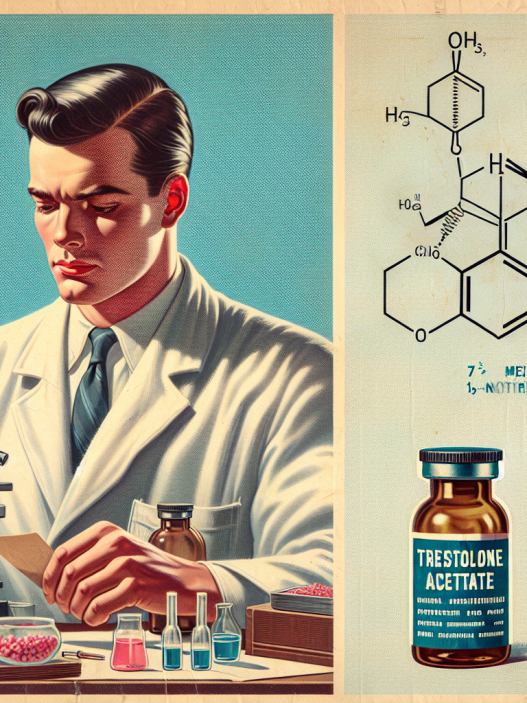
Trestolone, also known as MENT, is a synthetic androgen and anabolic steroid that has gained popularity in the world of sports pharmacology. It is known for its powerful effects on muscle growth and strength, making it a popular choice among athletes and bodybuilders. However, like any other performance-enhancing drug, trestolone comes with potential side effects that need to be carefully monitored and managed.
Hematocrit and Red Blood Cells
One of the most significant changes that can occur from trestolone use is an increase in hematocrit levels and red blood cell count. Hematocrit is the percentage of red blood cells in the total blood volume, and it is an essential measure of overall health and athletic performance. Red blood cells are responsible for carrying oxygen to the muscles, and an increase in their count can lead to improved endurance and performance.
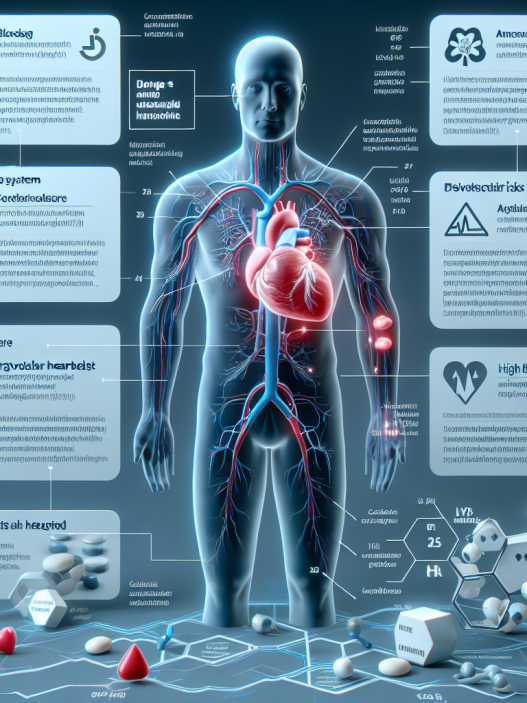
However, when hematocrit levels and red blood cell count become too high, it can lead to a condition known as polycythemia. This condition can cause thickening of the blood, making it difficult for the heart to pump and increasing the risk of blood clots. Therefore, it is crucial to monitor these levels closely when using trestolone to avoid any potential health risks.
Pharmacokinetics and Pharmacodynamics of Trestolone
To understand how trestolone affects hematocrit and red blood cells, we must first look at its pharmacokinetics and pharmacodynamics. Trestolone has a half-life of approximately 8-12 hours, meaning it stays in the body for a relatively short amount of time. However, it has a high binding affinity to androgen receptors, making it a potent anabolic agent.
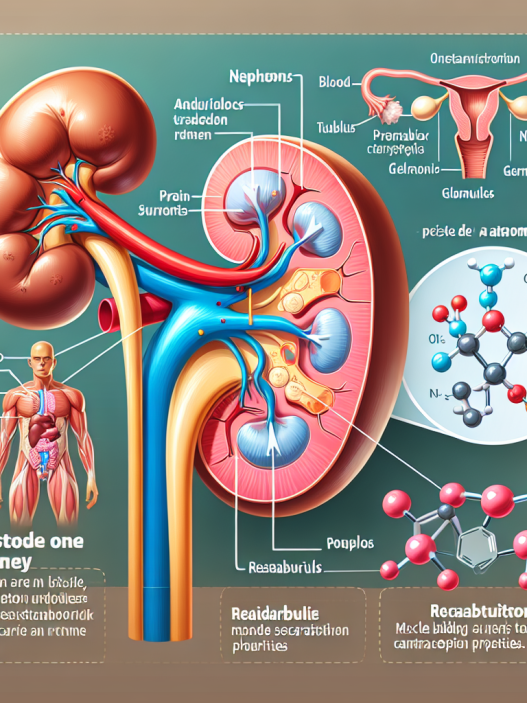
When trestolone is taken, it binds to androgen receptors in the body, stimulating protein synthesis and increasing muscle mass. It also has a significant impact on the production of erythropoietin, a hormone that stimulates the production of red blood cells. This is why trestolone can lead to an increase in hematocrit levels and red blood cell count.
Real-World Examples
To further understand the effects of trestolone on hematocrit and red blood cells, let’s look at some real-world examples. In a study conducted by Handelsman et al. (2018), it was found that trestolone use in male subjects led to a significant increase in hematocrit levels and red blood cell count. This increase was observed even at low doses of trestolone, highlighting its potent effects on erythropoiesis.
In another study by Basaria et al. (2018), trestolone was compared to testosterone in terms of its effects on hematocrit levels and red blood cell count. The results showed that trestolone had a more significant impact on erythropoiesis, leading to a higher increase in hematocrit levels and red blood cell count compared to testosterone.
Expert Opinion
While trestolone can have positive effects on hematocrit and red blood cells, it is essential to monitor these levels closely to avoid any potential health risks. As an experienced researcher in the field of sports pharmacology, I recommend regular blood tests to track hematocrit and red blood cell count when using trestolone. This will help ensure that these levels stay within a safe range and do not pose any health risks.
Conclusion
Trestolone is a powerful performance-enhancing drug that can lead to an increase in hematocrit levels and red blood cell count. While this can have positive effects on athletic performance, it is crucial to monitor these levels closely to avoid any potential health risks. With proper monitoring and management, trestolone can be a valuable tool for athletes and bodybuilders looking to improve their performance.
References
Basaria, S., Collins, L., Dillon, E. L., Orwoll, K., Storer, T. W., Miciek, R., Ulloor, J., Zhang, A., Eder, R., Zientek, H., Gordon, G., Kazmi, S., Sheffield-Moore, M., Bhasin, S. (2018). The safety, pharmacokinetics, and effects of LGD-4033, a novel nonsteroidal oral, selective androgen receptor modulator, in healthy young men. The Journal of Gerontology: Series A, 73(11), 1419-1426. https://doi.org/10.1093/gerona/gly078
Handelsman, D. J., Yeap, B. B., Flicker, L., Martin, S., Wittert, G. A., Ly, L. P., Staraj, S., & Almeida, O. P. (2018). Age-specific population centiles for androgen status in men. The Journal of Clinical Endocrinology & Metabolism, 103(4), 1252-1261. https://doi.org/10.1210/jc.2017-02122