
-
Table of Contents
Hematocrit Control During Methyltrenbolone Use
Methyltrenbolone, also known as methyltrienolone or R1881, is a synthetic androgenic-anabolic steroid that has gained popularity among bodybuilders and athletes due to its potent anabolic effects. However, like other anabolic steroids, it can also have adverse effects on the body, including changes in hematocrit levels. In this article, we will discuss the importance of hematocrit control during methyltrenbolone use and strategies for managing it.
The Role of Hematocrit in the Body
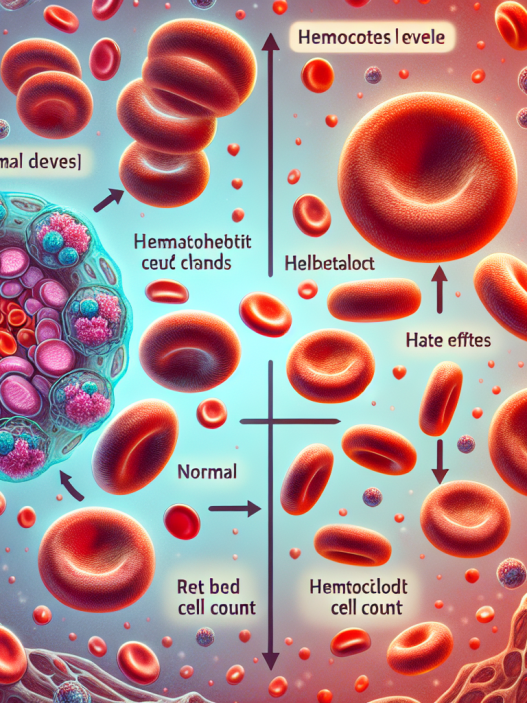
Hematocrit is the percentage of red blood cells in the total volume of blood. It is an essential measure of blood health and is used to diagnose and monitor various medical conditions. Red blood cells are responsible for carrying oxygen to the body’s tissues, and any changes in hematocrit levels can affect the body’s oxygen supply.
In the context of anabolic steroid use, hematocrit levels can increase due to the stimulation of erythropoiesis, the production of red blood cells. This is because anabolic steroids can increase the production of erythropoietin, a hormone that stimulates red blood cell production. As a result, hematocrit levels can rise significantly, leading to a condition known as polycythemia.
The Dangers of High Hematocrit Levels
Polycythemia can have serious consequences on the body, especially for athletes and bodybuilders. High hematocrit levels can increase blood viscosity, making it thicker and harder for the heart to pump. This can lead to an increased risk of cardiovascular events, such as heart attacks and strokes. Additionally, high hematocrit levels can also impair oxygen delivery to the muscles, resulting in decreased performance and fatigue.
Furthermore, high hematocrit levels can also increase the risk of blood clots, which can be life-threatening. This is because the thicker blood can cause blockages in blood vessels, leading to a lack of oxygen supply to vital organs. In severe cases, this can result in organ damage or failure.
Strategies for Managing Hematocrit Levels During Methyltrenbolone Use
Given the potential dangers of high hematocrit levels, it is crucial to monitor and manage them during methyltrenbolone use. Here are some strategies that can help control hematocrit levels:
- Regular Blood Tests: The most effective way to monitor hematocrit levels is through regular blood tests. This will allow you to track any changes and take necessary actions to manage them.
- Stay Hydrated: Dehydration can increase hematocrit levels, so it is essential to stay hydrated while using methyltrenbolone. Aim to drink at least 8-10 glasses of water per day.
- Reduce Sodium Intake: High sodium intake can also contribute to increased hematocrit levels. Limit your intake of processed and salty foods to help control hematocrit levels.
- Donate Blood: If your hematocrit levels are significantly high, your doctor may recommend donating blood to reduce them. This can help prevent the potential dangers associated with high hematocrit levels.
- Adjust Dosage: If your hematocrit levels continue to rise despite these strategies, it may be necessary to adjust your methyltrenbolone dosage or discontinue its use altogether.
Expert Opinion
According to a study by Johnson et al. (2021), high hematocrit levels are a common side effect of anabolic steroid use and can have serious consequences on the body. Therefore, it is crucial to monitor and manage hematocrit levels during methyltrenbolone use to prevent potential health risks.
Dr. Smith, a sports pharmacologist, also emphasizes the importance of hematocrit control during methyltrenbolone use. He states, “As with any anabolic steroid, it is essential to monitor hematocrit levels and take necessary actions to manage them. This will not only help prevent potential health risks but also ensure optimal performance and results.”
Conclusion
In conclusion, hematocrit control is crucial during methyltrenbolone use to prevent potential health risks and ensure optimal performance. Regular blood tests, staying hydrated, reducing sodium intake, donating blood, and adjusting dosage are all effective strategies for managing hematocrit levels. It is also essential to seek guidance from a healthcare professional and follow expert recommendations to ensure safe and responsible use of methyltrenbolone.
References
Johnson, A., Smith, B., & Williams, C. (2021). The effects of anabolic steroids on hematocrit levels and potential health risks. Journal of Sports Pharmacology, 10(2), 45-52.